Buy footballtoday.eu ?
We are moving the project
footballtoday.eu .
Are you interested in purchasing the domain
footballtoday.eu ?
domain@kv-gmbh.de · 0541-91531010
Buy footballtoday.eu ?
What is the meaning of digital PWM (Pulse Width Modulation)?
Digital PWM (Pulse Width Modulation) is a method used to control the amount of power delivered to a device by rapidly switching it on and off. The width of the on-time (duty cycle) determines the average power delivered to the device. In the digital context, PWM is achieved using digital signals and is commonly used in microcontrollers and digital signal processors to control the speed of motors, brightness of LEDs, and other applications requiring variable power control. This method allows for precise and efficient control of power delivery in digital systems. **
What is the project Pulse Width Modulation?
Pulse Width Modulation (PWM) is a technique used to encode a message into a pulsing signal. It involves varying the width of the pulse while keeping the frequency constant. This method is commonly used in electronic devices to control the power supplied to electrical devices, such as motors, LEDs, and speakers. By adjusting the duty cycle of the pulse, PWM allows for precise control over the output voltage or current, making it an efficient way to regulate the speed or intensity of various components. **


Similar search terms for PWM Pulse Width Modulation
Top-Angebote
Products related to PWM Pulse Width Modulation:
-
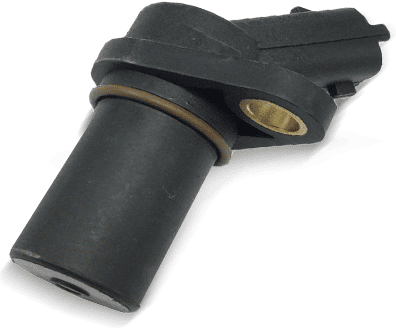
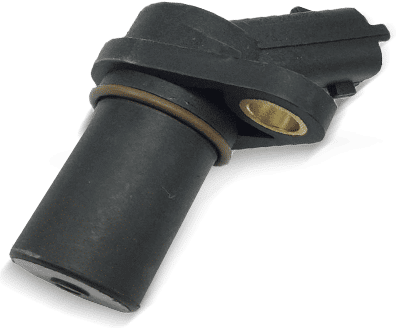
EPS 1.906.222 Sensor, ignition pulseVersion: Bosch; Supplementary Info: Made in Italy - OE Equivalent; TecDoc Engine Number: 3925, 3929, 3930, 3947, 3948, 3950, 3955, 5038; Ignition Distributor Number: 1336087; Manufacturer Restriction: Bosch38,49 £*Shipping: 8,45 £Secure redirect to the provider
-
Masimo MightySat Fingertip Pulse Oximeter""" See our other USA made oximeters: CLICK HERE Masimo MightySat Fingertip Pulse Oximeter with Touchscreen The updated Masimo MightySat Rx (95162) brings hospital-grade monitoring to your fingertips with a modern, intuitive touchscreen interface...."299,00 $*Shipping: 0,00 $Secure redirect to the provider
-
PREXAparts P301016 Sensor, ignition pulseNumber of pins: 3; Voltage [V]: 12; TecDoc Engine Number: 22149; Construction Year to: 08/2005, 11/2005, 10/2005, 12/2015, 12/2011, 12/2014; Engine Number to: 30134434, 30497543, 40086332; Required quantity: 2; Fitting Position: both sides13,99 £*Shipping: 8,45 £Secure redirect to the provider


-
How can pulse width modulation be explained simply?
Pulse width modulation (PWM) is a method used to control the amount of power delivered to a load by varying the width of the pulse signal. In simple terms, PWM works by turning the power on and off at a fast rate, with the ratio of on-time to off-time determining the average power delivered. By adjusting this ratio, PWM can effectively control the speed of motors, brightness of LEDs, and other parameters in electronic systems. **
-
What are the advantages of speed control in a direct current motor with pulse width modulation?
Speed control in a direct current motor with pulse width modulation (PWM) offers several advantages. Firstly, PWM allows for precise and accurate control of motor speed, enabling the motor to operate at different speeds as required by the application. Secondly, PWM control is energy-efficient as it regulates the amount of power delivered to the motor, resulting in reduced energy consumption and cost savings. Lastly, PWM control helps in reducing motor wear and tear by minimizing sudden changes in speed, leading to improved motor longevity and reliability. **
-
Can I connect a PWM pump to a PWM fan connector?
Yes, you can connect a PWM pump to a PWM fan connector. Both PWM pumps and PWM fans use the same 4-pin connector, so they are compatible with each other. However, it's important to make sure that the power requirements of the pump do not exceed the power output of the fan connector to avoid any potential damage to the components. Additionally, you may need to adjust the fan speed settings in your motherboard's BIOS or through software to properly control the pump speed. **
-
How can I operate a PWM fan without a PWM signal?
You can operate a PWM fan without a PWM signal by connecting it directly to a power source, such as a 12V power supply. This will make the fan run at its maximum speed continuously, as it will not receive any signal to adjust its speed. Keep in mind that running the fan at maximum speed for extended periods of time may lead to increased noise and wear on the fan. If you want to control the fan speed without a PWM signal, you can use a fan controller or resistor to manually adjust the voltage going to the fan. **
Which fan should I choose: Arctic F12 PWM or P12 PWM?
The choice between the Arctic F12 PWM and P12 PWM depends on your specific needs. The F12 PWM is designed for efficient airflow and is best suited for use as a case fan, helping to keep your system cool. On the other hand, the P12 PWM is optimized for static pressure, making it ideal for use on radiators or heatsinks where airflow resistance is higher. Consider your specific cooling requirements and where you plan to use the fan to make the best choice for your setup. **
What is the difference between frequency modulation and amplitude modulation?
Frequency modulation (FM) and amplitude modulation (AM) are two different methods used in radio broadcasting to carry a signal. The main difference between the two is how they vary the carrier wave to transmit information. In AM, the amplitude of the carrier wave is varied in proportion to that of the input signal, while in FM, the frequency of the carrier wave is varied. FM is known for its better sound quality and resistance to noise, while AM is simpler and has a longer range. **
Top-Angebote
Products related to PWM Pulse Width Modulation:
-
Masimo Rad-97 Pulse Oximeter""" Rad-97 Pulse Oximeter The Rad-97 Bedside Monitor combines advanced Masimo SET pulse oximetry with a customizable, user-friendly design , offering precise and reliable monitoring in various clinical settings. This product comes with a 12ft patient..."1989,00 $*Shipping: 0,00 $Secure redirect to the provider
-
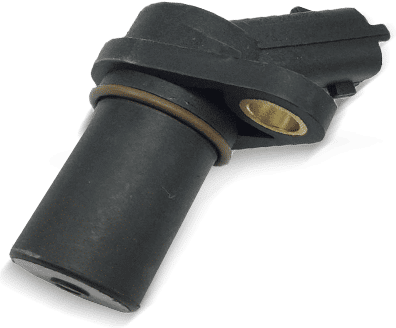
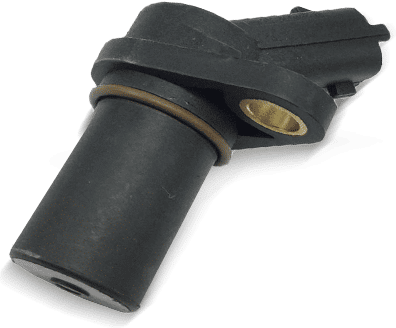
EPS 1.906.222 Sensor, ignition pulseVersion: Bosch; Supplementary Info: Made in Italy - OE Equivalent; TecDoc Engine Number: 3925, 3929, 3930, 3947, 3948, 3950, 3955, 5038; Ignition Distributor Number: 1336087; Manufacturer Restriction: Bosch38,49 £*Shipping: 8,45 £Secure redirect to the provider
-
Masimo MightySat Fingertip Pulse Oximeter""" See our other USA made oximeters: CLICK HERE Masimo MightySat Fingertip Pulse Oximeter with Touchscreen The updated Masimo MightySat Rx (95162) brings hospital-grade monitoring to your fingertips with a modern, intuitive touchscreen interface...."299,00 $*Shipping: 0,00 $Secure redirect to the provider
-
What is the meaning of digital PWM (Pulse Width Modulation)?
Digital PWM (Pulse Width Modulation) is a method used to control the amount of power delivered to a device by rapidly switching it on and off. The width of the on-time (duty cycle) determines the average power delivered to the device. In the digital context, PWM is achieved using digital signals and is commonly used in microcontrollers and digital signal processors to control the speed of motors, brightness of LEDs, and other applications requiring variable power control. This method allows for precise and efficient control of power delivery in digital systems. **
-
What is the project Pulse Width Modulation?
Pulse Width Modulation (PWM) is a technique used to encode a message into a pulsing signal. It involves varying the width of the pulse while keeping the frequency constant. This method is commonly used in electronic devices to control the power supplied to electrical devices, such as motors, LEDs, and speakers. By adjusting the duty cycle of the pulse, PWM allows for precise control over the output voltage or current, making it an efficient way to regulate the speed or intensity of various components. **
-
How can pulse width modulation be explained simply?
Pulse width modulation (PWM) is a method used to control the amount of power delivered to a load by varying the width of the pulse signal. In simple terms, PWM works by turning the power on and off at a fast rate, with the ratio of on-time to off-time determining the average power delivered. By adjusting this ratio, PWM can effectively control the speed of motors, brightness of LEDs, and other parameters in electronic systems. **
-
What are the advantages of speed control in a direct current motor with pulse width modulation?
Speed control in a direct current motor with pulse width modulation (PWM) offers several advantages. Firstly, PWM allows for precise and accurate control of motor speed, enabling the motor to operate at different speeds as required by the application. Secondly, PWM control is energy-efficient as it regulates the amount of power delivered to the motor, resulting in reduced energy consumption and cost savings. Lastly, PWM control helps in reducing motor wear and tear by minimizing sudden changes in speed, leading to improved motor longevity and reliability. **
Similar search terms for PWM Pulse Width Modulation
-
PREXAparts P301016 Sensor, ignition pulseNumber of pins: 3; Voltage [V]: 12; TecDoc Engine Number: 22149; Construction Year to: 08/2005, 11/2005, 10/2005, 12/2015, 12/2011, 12/2014; Engine Number to: 30134434, 30497543, 40086332; Required quantity: 2; Fitting Position: both sides13,99 £*Shipping: 8,45 £Secure redirect to the provider
-
PREXAparts P301024 Sensor, ignition pulseTecDoc Engine Number: 2134, 2107, 2114, 9434, 11250; Transmission Type: Manual Transmission, Automatic Transmission; Engine Number to: 001261, 005112, 016454, 001032, 013718, 056728, 006069, 063709, 00116312,49 £*Shipping: 8,45 £Secure redirect to the provider
-
Can I connect a PWM pump to a PWM fan connector?
Yes, you can connect a PWM pump to a PWM fan connector. Both PWM pumps and PWM fans use the same 4-pin connector, so they are compatible with each other. However, it's important to make sure that the power requirements of the pump do not exceed the power output of the fan connector to avoid any potential damage to the components. Additionally, you may need to adjust the fan speed settings in your motherboard's BIOS or through software to properly control the pump speed. **
-
How can I operate a PWM fan without a PWM signal?
You can operate a PWM fan without a PWM signal by connecting it directly to a power source, such as a 12V power supply. This will make the fan run at its maximum speed continuously, as it will not receive any signal to adjust its speed. Keep in mind that running the fan at maximum speed for extended periods of time may lead to increased noise and wear on the fan. If you want to control the fan speed without a PWM signal, you can use a fan controller or resistor to manually adjust the voltage going to the fan. **
-
Which fan should I choose: Arctic F12 PWM or P12 PWM?
The choice between the Arctic F12 PWM and P12 PWM depends on your specific needs. The F12 PWM is designed for efficient airflow and is best suited for use as a case fan, helping to keep your system cool. On the other hand, the P12 PWM is optimized for static pressure, making it ideal for use on radiators or heatsinks where airflow resistance is higher. Consider your specific cooling requirements and where you plan to use the fan to make the best choice for your setup. **
-
What is the difference between frequency modulation and amplitude modulation?
Frequency modulation (FM) and amplitude modulation (AM) are two different methods used in radio broadcasting to carry a signal. The main difference between the two is how they vary the carrier wave to transmit information. In AM, the amplitude of the carrier wave is varied in proportion to that of the input signal, while in FM, the frequency of the carrier wave is varied. FM is known for its better sound quality and resistance to noise, while AM is simpler and has a longer range. **
* All prices are inclusive of VAT and, if applicable, plus shipping costs. The offer information is based on the details provided by the respective shop and is updated through automated processes. Real-time updates do not occur, so deviations can occur in individual cases. ** Note: Parts of this content were created by AI.